Safety Tips & Regulations
Keep Big Sur Beautiful For Generations To Come
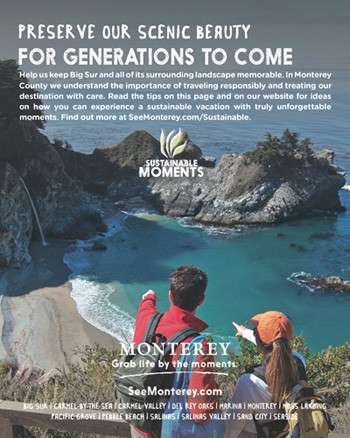
Big Sur is a special place to millions of people. To help keep it that way and to ensure your own safety, we ask that you please visit responsibly and observe some simple rules and follow these basic safety tips listed below.
Big Sur, like many popular places, is struggling against it's own carrying capacity. More and more people come here every year and the impact of this increased visitation impacts the roadways and surrounding ecosystems in the beautiful redwood forests, on the beaches and in the sea.
Please help us keep Big Sur and all of its surrounding landscape and ecosystems clean and beautiful for all that come after you. Pick up a little extra litter. Give a hoot, don't pollute!
Fires
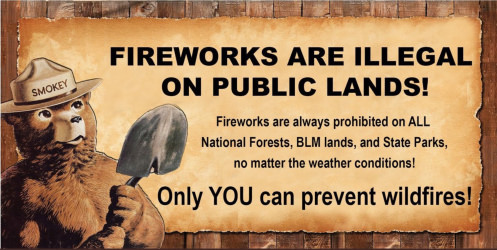
Our biggest concern during the dry season is wildfire. Please be extra careful, making sure that your fire is safe and legal. Be sure to extinguish your fire when you leave. Please do not throw cigarette butts along the roadside. Campfires and BBQ's are only allowed in designated campgrounds and always prohibited alongside Highway 1.
Collecting
Plants, animals, rocks, and artifacts of Big Sur's cultural and natural history are protected by law and should not be disturbed. Rockhounding and collection of driftwood and firewood may be allowed in certain designated areas. Collectors should contact the nearest ranger station for specific information.
Litter
Please don't litter! Please treat Big Sur gently and with respect so that it will remain the beautiful place we all love. Micro trash discarded along the coast poses a great threat to the endangered California Condor. This includes cigarette butts, small pieces of plastic and bottle caps. The condors mistake them for food and it can cause death when ingested. Give a hoot, don't pollute!
Public Restrooms
Public restrooms are provided at all State Parks. Day use fees are waived for the short period of time it takes to use the restrooms. Public restroom locations along the Big Sur coast.
Private Property
Please be mindful and respectful of the property rights of others. Most of the land adjacent to the highway is posted private property, and trespassing laws are strictly enforced.
Roadside Camping
Monterey County prohibits camping along Highway 1 from the Carmel River to the Monterey - San Luis Obispo County line. This does not apply to tired motorists stopping for a temporary rest. Campfires and BBQ's are not permitted alongside Highway 1 at any time.
No camping alongside Nacimiento-Fergusson Road except in established campgrounds.
Pets
Pets frighten wildlife and disturb visitors. On US Forest Service lands, pets must be leashed in developed campgrounds and picnic areas only. In the state parks, they must be on a leash at all times.
Poison Oak
This toxic plant is found in Big Sur in abundance. Exposure to the plant can be spread by hands, clothing, pets, or equipment which has come in contact with the plant or from the smoke generated when burning it. Much of the reactive substance can be removed by immediate washing with cool water and soap. Look for the triple leaf pattern, with prominent veins and a shiny surface. During the Summer and Fall, the leaves take on reddish hues. In the Winter, the plant can look dormant or dead but the oils from the branches, not just the leaves, can spread by contact. Try to avoid this plant.
Driving Tips for Highway 1
State Highway 1 through the Big Sur area is recognized as one of the most beautiful highways in the country and has many eye catching distractions. Highway 1 through Big Sur is a designated American National Scenic Byway & Californic Scenic Highway, an honor reserved for highways that are so distinctive they are destinations unto themselves. Please pull over into any one of the many turnouts to enjoy the view.
Please keep these tips in mind when you travel this route:
- Drive defensively! You never know what hazard may be behind the next blind corner.
- Buckle up! It's the law.
- Keep your eyes on the road - if you want to enjoy the scenery, pull over into the many turnouts maintained and provided by Caltrans.
- Maintain your speed and abide by posted limits. The speed limit is 55 MPH unless otherwise posted. Slower traffic should pull over often so others can safely get to their destination.
- When pulling over, avoid quick stops on the unpaved pull outs and shoulders.
- Don't pass on the double yellow lines - head-on collisions resulting from unsafe passing.
- Please DO NOT throw cigarette butts out of your vehicle (or anything else). Outside of it being distasteful and ugly, it also poses an extreme fire danger. Also, rare, endangered California Condors live in this area and are known to scavage along the highway. A discarded cigarette butt could be taken back to the nest and kill a young condor if it eats it.
- Give a hoot, don't pollute!
Invasive Jubata Grass (Pampas Grass)
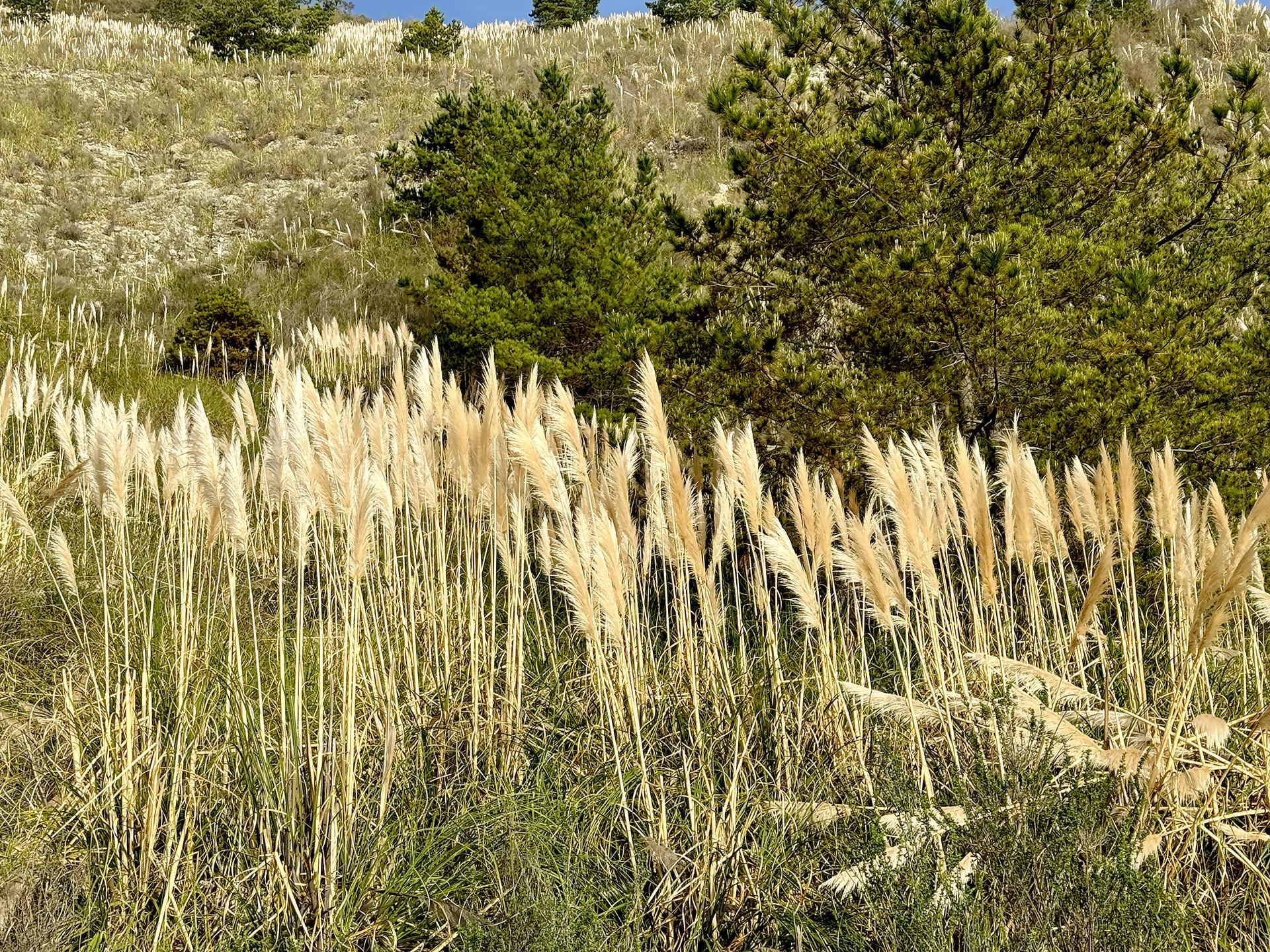
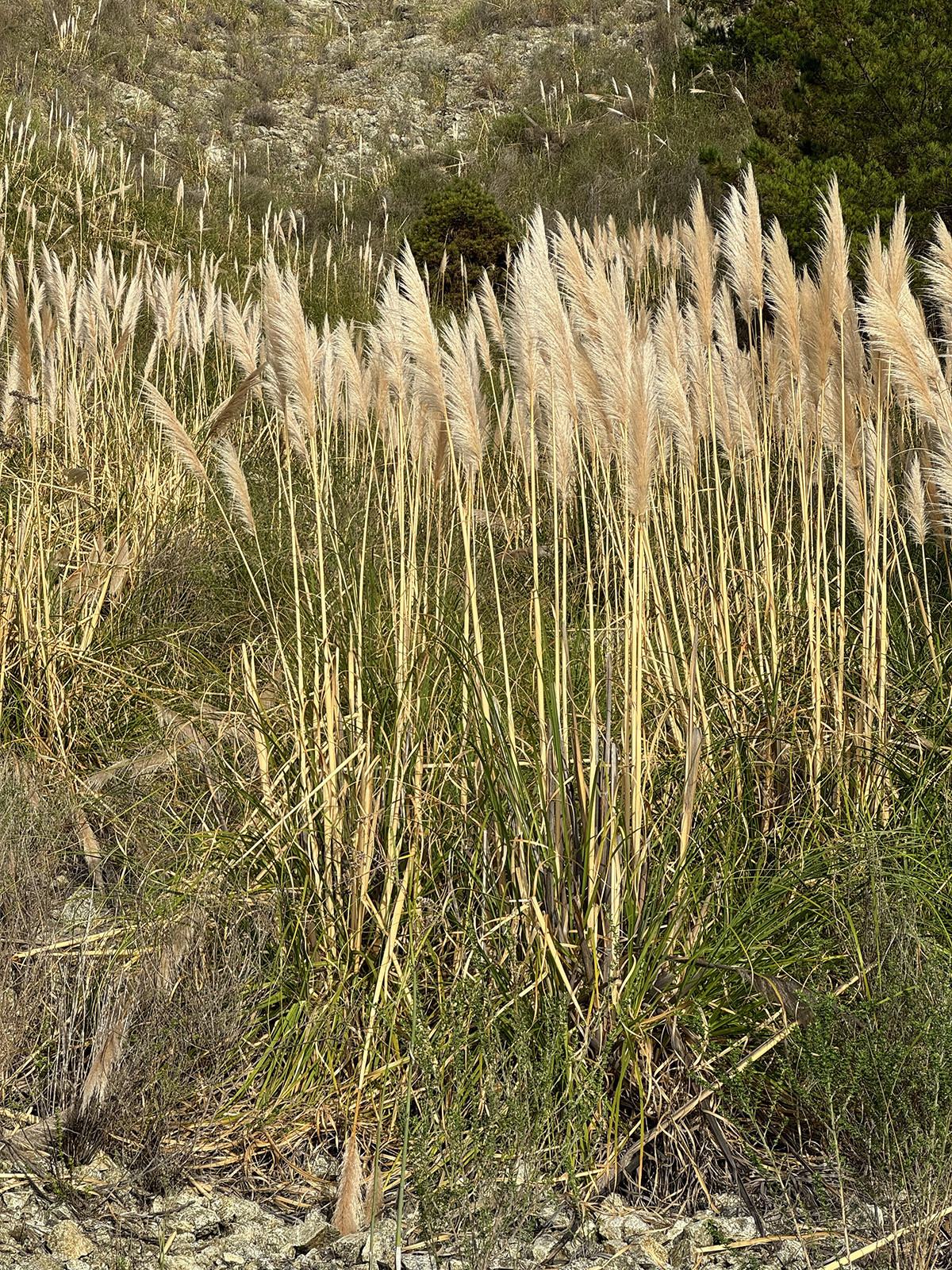
Jubata Grass (Cortaderia jubata) – often referred to as Pampas Grass (Cortaderia selloana) – is a non-native flowering plant that has risen in popularity due to its flower's aesthetic appeal. It is incredibly invasive in Big Sur and threatens native flora and fauna. The seeds spread naturally through the air but this process has been accelerated by the mishandling of the flowers, often transported up and down the coast hanging out a traveler's car window. Please do not collect any part of this non-native species and help stop the spread by leaving it alone.